Sofia History and Origins
Sofia is the greatest city of Bulgaria, known for its rich historical and cultural heritage. Through its history of more than 1300 years, Sofia welcome the Romans, Slavs, and Turkish. As a result of its location in the Balkans, Sofia is composed of various cultures from both Asia and Europe. Sofia was inhabited by a Thracian tribe in the 8th century BC. In 29 BCE, the Romans conquered the Sofia area and named it Serdica. Later, Sofia became the main city of Thracia, and later Dacia Meditteranea. After VI century, certain slavic tribes settled in the Sofia under the control of Byzantium. The Bulgarian Khan Krum conquered Sofia in 809, so the population of Sofia became dominated by bulgars. In 1018, the Roman Empire invaded the first Bulgarian Empire along with Sofia until 1194, when Sofia was conquered by the the second Bulgarian state. In 1385, the Ottoman Empire captured Sofia, thus the city was ruled by Ottomans until Russian invasion in 1879. Once the Soviet Union fell, Sofia gained independence under Bulgaria.
City General Info
As of 2025, Sofia has a population of more than 1.3 million. While Sofia uses Lev (Bulgarian currency), the next year Bulgaria planned to convert to Euro, although you might still use Euro in Sofia. With noticeably lower prices for touristic activities and accommodation, Sofia is a great choice for budget travelers, while Sofia is one of the best-value capitals in EU. As the bulgarian alphabet is cyrillic, reading texts in Sofia might be difficult for some foreigners. Sofia International Airport is located 8 km far from the Sofia city center. Being located in Balkans region, Sofia has a moderate continental climate, where you can experience 4 seasons clearly. The best time of travel to Sofia might be the spring and autumn, as Sofia faces hot summers and harsh winters. In Sofia, temperature might drop down to 0C in winter associated with snowy weather conditions of Sofia, which create another opportunity for skiing in the Vitosha mountain laying along the southern side of Sofia city. While appreciating both contemporary and anctique styles of Sofia, classical tramways, buildings in the Sofia outskirts might also give you the 70s views of Soviet styled Sofia.
Sofia Travel Expectations
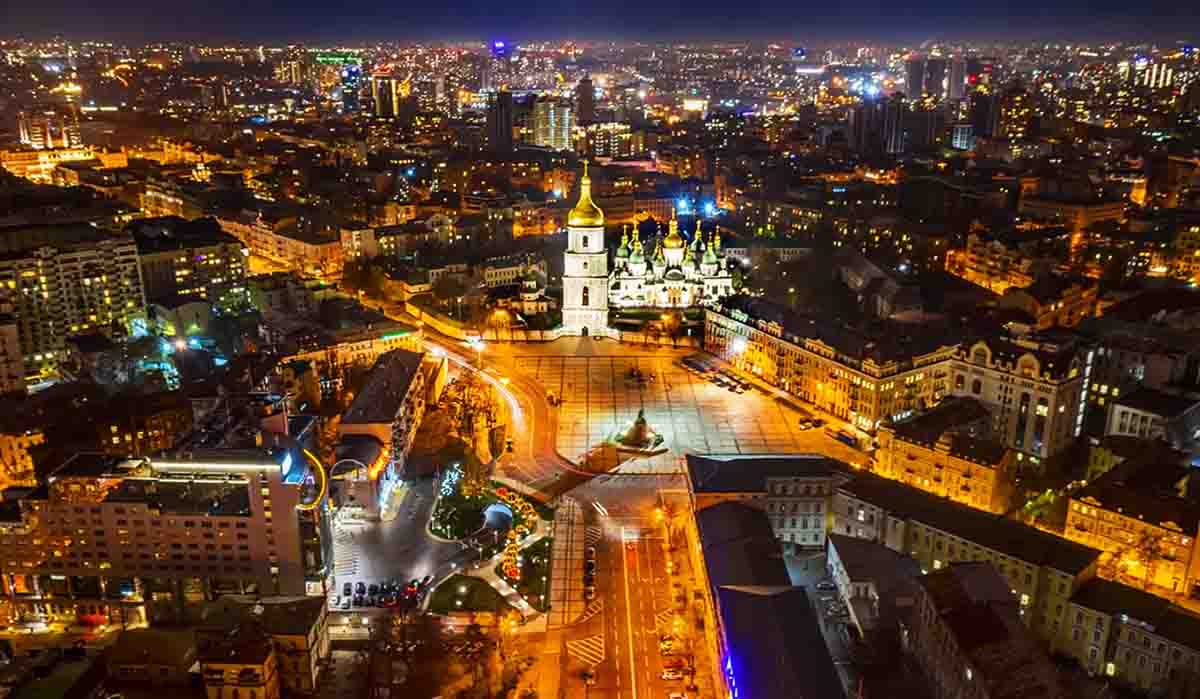
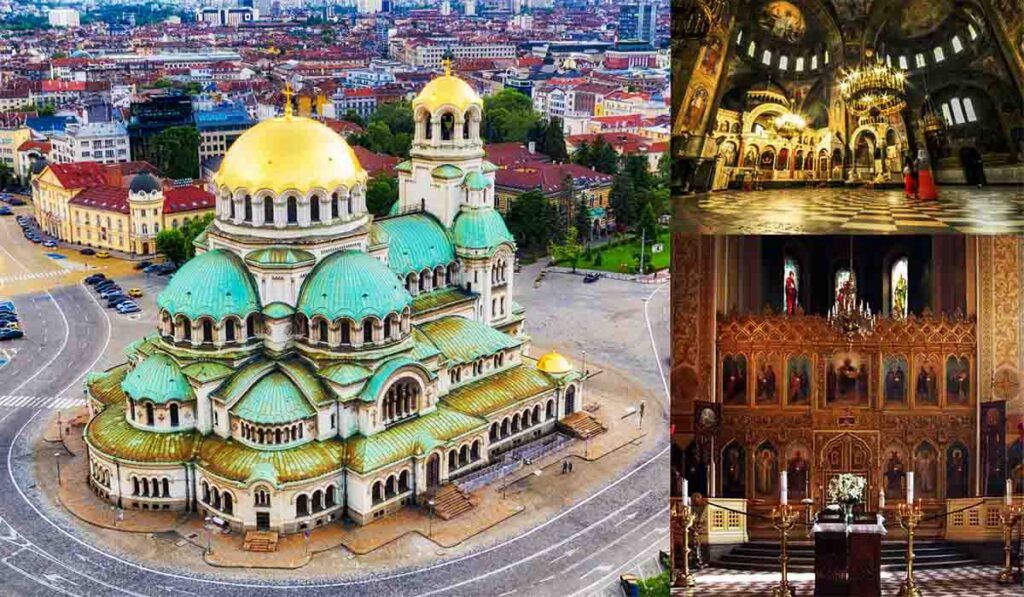
Alexander Nevski Cathedral in Sofia. The cathedral was built as a memorath of the Russian soldiers who died in the war 1877-1888 Russia-Ottoman war, and can be considered as the most magnificent building of Sofia with its Neo-Bynzantic style. This cathedral in Sofia is the second greatest cathedral of the orthodox world, and is still being used as main catehdral of Bulgarian Orthodox Church. This monument can be the first in places to visit in Sofia, although it is prohibited to take photos inside. Beneath the Sofia cathedral, there is Crypt Icon Museum, where visitors can inspect hundreds of Orthodox icons. To continue with christian monuments in Sofia, we can see more antique styles like Saint Sophia Church which was constructed in 4th century by Byzantium (oldest church in Sofia and whole Bulgaria), Saint Nedelya Church which was built in 10th century in Sofia and acted as the primary religious institution of Sofia, Boyana Church, which is on the UNESCO World Heritage list.
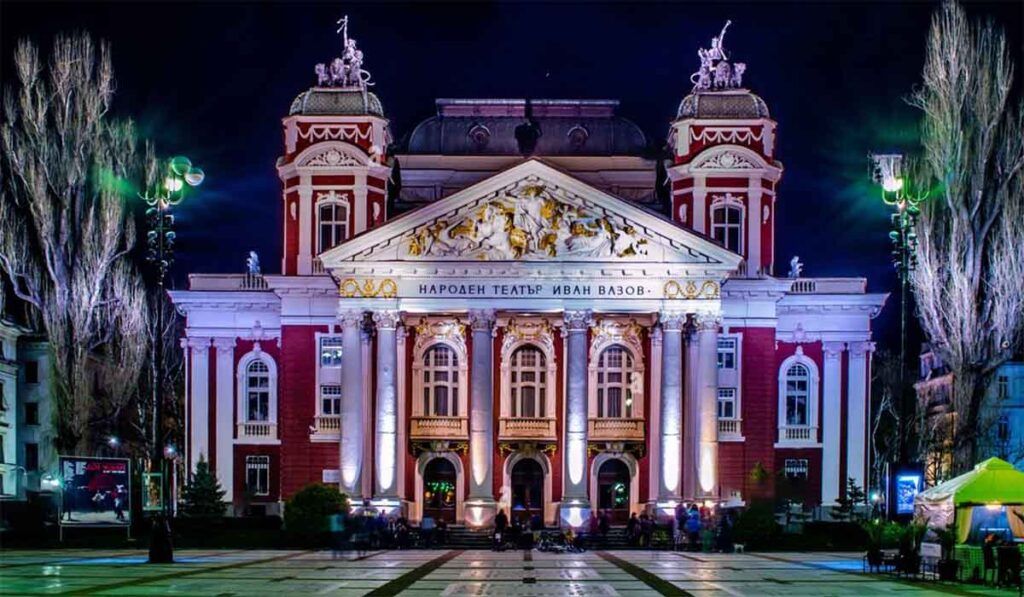
Other monuments of Sofia worth visiting include Sofia National Art Gallery with more than 30k works, Sofia Zoo, the biggest zoo in Balkans, contructed in 1888 by Prince Ferdinand, Sofia Archaeological Museum which is home of distinct pieces from Roman, Thracian and Ancient Greek. As highlighted, Sofia combines remains of various cultures which create multiple possibilities regarding Sofia infrastructure. Sofia Ivan Vazov National Theatre is a breathtaking monument in Sofia which must be visited by each Sofia visitor, both to see Sofia architecture and know Sofia folklore. The Sofia theatre also have performances with english surtitles for Sofia foreigners. Moreover, Banya Bashi mosque is a known mosque in Sofia, which still is in action and used by Sofia muslims, while they account for minimal numbers in Sofia, as muslims are inhabited in north-east and southern Bulgaria, instead of Sofia. Another known monument of Sofia is Sofia Synagogue which is the biggest in whole Balkans. As can be seen, Sofia is decorated widely with remarkable religious buildings. Regarding Sofia sociological structure, Sofia population is tolerant and mainly christian domainated, while the religious conflicts haven’t been observed
One of significant aspects of Sofia definitely is Sofia cuisine. As already emphasized, Sofia is a cosmopolitan city, as Sofia hosted multiple nations, thus making Sofia a multicultural area. Therefore, various impacts are reflected in Sofia cuisine, especially Ottoman. Thus, through visit to Sofia, you may try Sofia Pritnisa, Sofia Mousakka, Sofia Banitsa, Sofia Shkembe Chorba, Sofia Bob chorba, Sofia Tarator, Sofia Tikvenik and Sofia Shopska salad. To consider Sofia from economical acpect, being capital of Bulgaria, Sofia is relatively new city in EU, which makes Sofia a less developed area compared to other EU capitals, while also making Sofia thoroughly developing area, as more projects and investments are being implemented in Sofia. Although Sofia isn’t exactly a tourism centered region like Varna and Burgas in Bulgaria or, Sofia can still lure lots of tourists, as well as holds noticeable potential for economic growth.
Respecting Sofia Night Life, being the capital of Bulgaria, Sofia can provide sufficient satisfaction to Sofia visitors. It is worth stating for a Sofia travel that, nightclubs and bars in Sofia are mainly located in Hristo Belchev and Studentski streets. Additionally, for the people trying to grasp also a breath of festivals in Sofia, we might advise festivals of Sofia International Film, Salsa in Sofia (dates vary), Sofia Jazz in April, Water Tower Art, Sofia International Folklore in July, and Sofia Music Weeks. Additional things to give attention through a Sofia visit: winter is quite harsh in Sofia, and better be chosen for winter activities of Sofia, Taxi system of Sofia might create extensive fees for foreigners, so it is better to go for known company taxis in Sofia, while Sofia is a highly tolearnt city, it is better to dress and act properly when attending a visit to Sofia churches and Sofia mosques. In case of need: Bulgaria country code: +359. Ambulance in Sofia -112. Police in Sofia -166. Firefighter in Sofia -160